Comment préparer les maths de l'ENEM : notation TRI, contenu et plan d'étude
Les maths de l'ENEM, ce sont 45 questions à choix multiples avec cinq options chacune, passées le deuxième jour dans un bloc de cinq heures partagé avec les 45 questions de sciences de la nature. Sans calculatrice. Jusque-là, rien de compliqué.
Ce qui change vraiment votre façon de réviser, c'est la notation. L'ENEM ne compte pas vos bonnes réponses. Il les passe par la théorie de réponse à l'item, et ce seul fait rend plusieurs stratégies de révision populaires franchement contre-productives.
Ce que la TRI fait vraiment
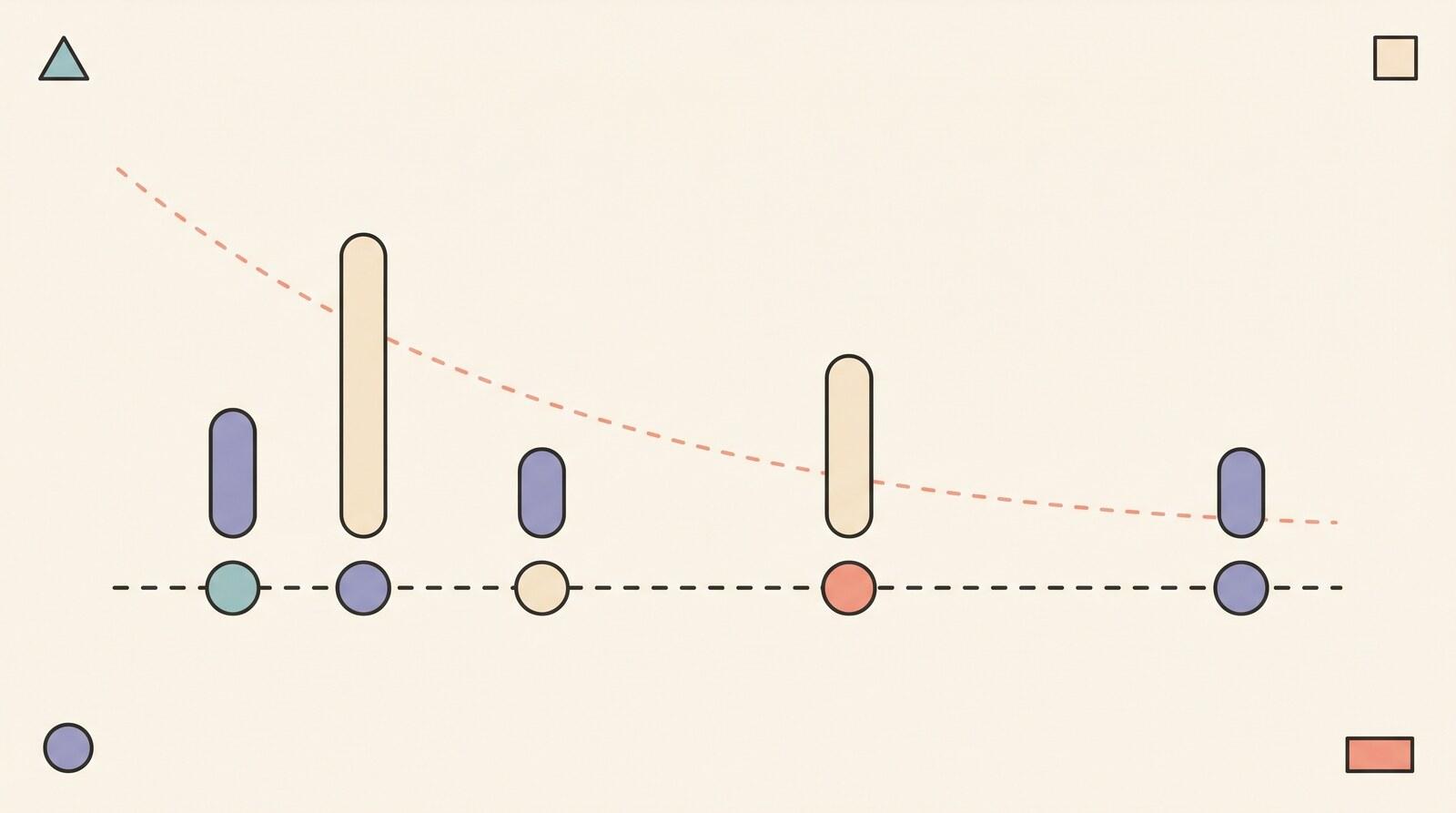
La théorie de réponse à l'item, TRI en portugais, modélise chaque question avec trois paramètres : sa difficulté, sa capacité à distinguer les candidats qui maîtrisent le contenu de ceux qui ne le maîtrisent pas, et la probabilité d'y répondre correctement en devinant.
Votre note vient de la plausibilité de votre schéma de réponses pour un candidat à chaque niveau de compétence. C'est une question différente de « combien de bonnes réponses avez-vous obtenues ».
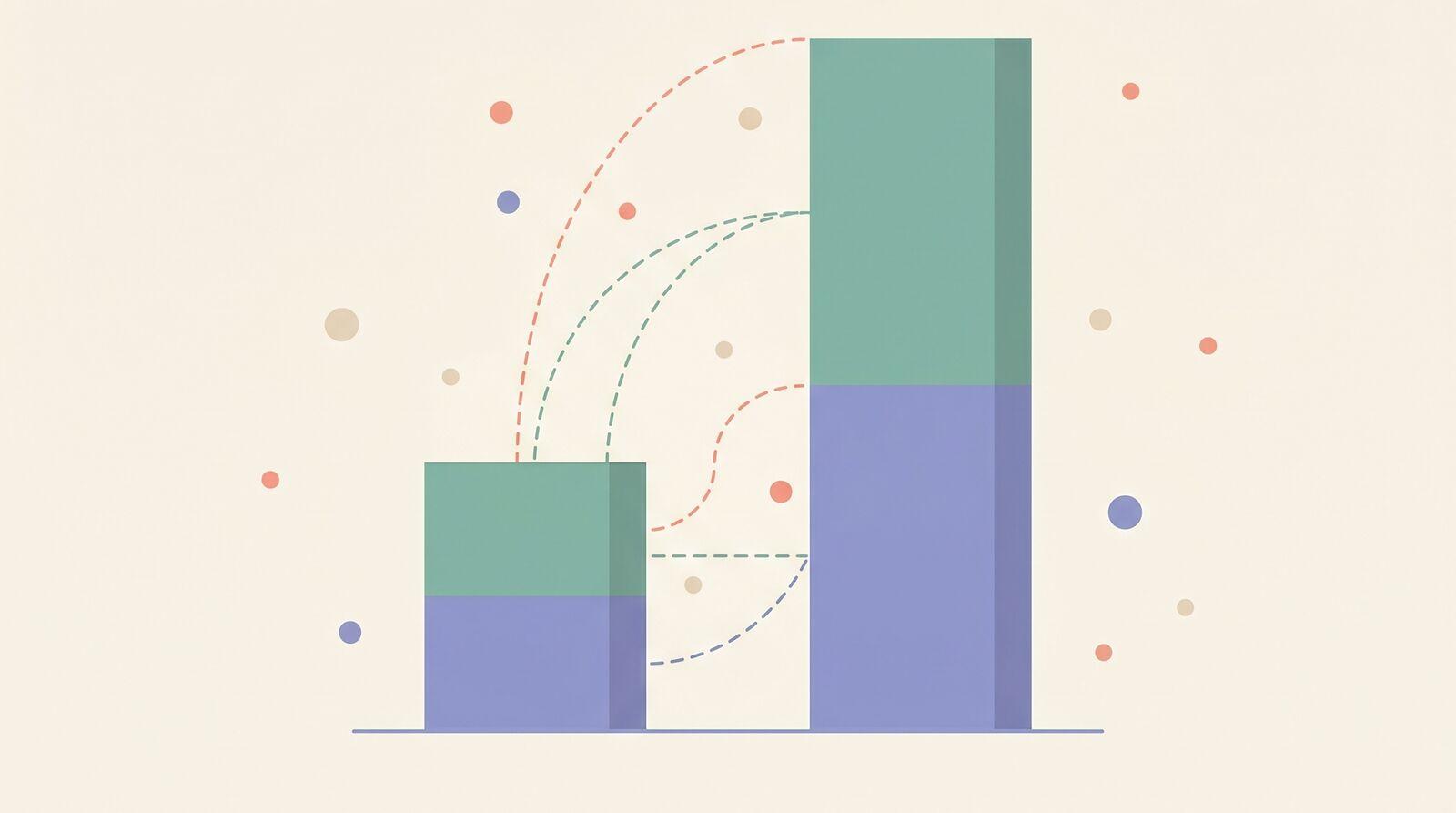
La conséquence pratique mérite d'être énoncée clairement. Si vous manquez plusieurs questions faciles et réussissez deux ou trois questions difficiles, le modèle n'y lit pas une compétence élevée. Il y lit un schéma improbable, plus compatible avec du hasard, et déprécie ces réussites difficiles en conséquence. À l'inverse, un candidat qui a répondu correctement à toutes les questions faciles et moyennes et manqué les plus dures produit un schéma très cohérent, et obtient une bonne note.
La TRI récompense la régularité, pas les exploits. Réussir les questions accessibles, de façon fiable, vaut plus que décrocher une question difficile par chance.
Ce que cela change dans vos révisions
Trois conséquences en découlent.
D'abord, il n'y a aucun intérêt à courir après du contenu exotique. La question difficile marginale vaut moins qu'elle n'en a l'air, et elle coûte un temps d'étude disproportionné.
Ensuite, la précision sur le contenu courant est tout l'enjeu. Un candidat fiable à 95 % sur les pourcentages et les proportions surpasse un candidat fiable à 70 % sur ces thèmes mais qui a étudié du contenu plus avancé.
Enfin, deviner n'a pas la même valeur espérée qu'avec une notation brute. Il n'y a pas de pénalité explicite pour une mauvaise réponse, donc répondez quand même à toutes les questions. Mais n'en faites pas une stratégie, et ne comptez pas sur une série chanceuse sur les questions difficiles pour faire monter votre note.
La lecture est la moitié de l'épreuve
Les questions de l'ENEM sont longues. Elles s'ancrent dans des contextes réels : une facture d'électricité, un planning de production d'usine, une carte, un graphique de santé publique. Les mathématiques qu'elles contiennent sont rarement avancées. La difficulté, c'est de les trouver.
C'est la plus grande différence entre l'ENEM et des examens comme le Gaokao ou le Suneung, où l'énoncé est compact et où le défi est la mathématique elle-même. À l'ENEM, une grande partie des points perdus vient d'échecs de lecture plutôt que de calcul.
Cette distinction compte pour l'entraînement, parce que les deux problèmes ont des remèdes différents. Si vous n'avez pas compris ce qui était demandé, enchaîner des exercices d'algèbre n'y changera rien. Ce qui aide, c'est de pratiquer délibérément des problèmes longs et de prendre l'habitude d'identifier la seule relation qui compte avant de toucher au moindre calcul.
Quand vous corrigez une section d'entraînement, classez chaque erreur dans l'une de ces deux catégories avant de décider quoi réviser ensuite.
Où se trouve vraiment le contenu
Le contenu récurrent, à haute fréquence, est plus étroit que la plupart des guides ne le suggèrent :
- Pourcentages, rapports et proportions, règle de trois. Le plus gros bloc, de loin, et il se cache dans des questions qui semblent porter sur d'autres sujets.
- Fonctions du premier et du second degré. Les construire à partir d'une situation décrite, et interpréter ce que le graphique signifie dans le contexte.
- Géométrie plane et dans l'espace. Aires, périmètres, volumes, similitude. Presque toujours appliquée plutôt que démontrée.
- Statistiques de base. Moyenne, médiane, mode, et lecture correcte des tableaux et des graphiques.
- Mathématiques financières. Intérêts simples et composés, remises, paiements échelonnés.
Si vous manquez de temps, cette liste dans cet ordre est un meilleur plan que de parcourir un manuel de bout en bout. Si le raisonnement proportionnel vous semble fragile, l'article sur les rapports et les proportions et l'article sur les pourcentages reconstruisent l'intuition plus vite que des exercices supplémentaires.
Travailler sans calculatrice
L'absence de calculatrice change ce qu'une question à cinq options vaut pour vous.
Puisqu'il suffit d'identifier la bonne option, sans produire le nombre exact, l'estimation suffit souvent. Déterminez l'ordre de grandeur, ou le signe, ou à peu près quelle fraction du total la réponse devrait représenter, et bien souvent trois des cinq options deviennent impossibles.
C'est une compétence qui s'entraîne, et elle est trop peu travaillée. Pendant vos exercices, arrêtez-vous de temps en temps avant de finir un calcul et demandez-vous quelles options vous pourriez déjà éliminer. Le jour de l'examen, cette habitude convertit un savoir partiel en points.
Elle protège aussi votre budget temps, ce qui pèse plus ici que dans la plupart des examens, parce que les maths partagent leur bloc avec les sciences de la nature.
Planifier le bloc commun
Cinq heures, 90 questions, deux matières. Décidez de la répartition avant le jour de l'examen plutôt que de la découvrir sous pression.
Une approche courante consiste à consacrer environ la moitié du temps à chaque partie avec une réserve à la fin, mais la bonne répartition dépend de la matière où vous êtes le plus fort. Ce qui compte, c'est que la décision soit prise à l'avance.
Deux habitudes protègent le plan. Marquez la question et passez à la suivante quand elle vous résiste plus de deux minutes, parce que chaque question vaut la même chose pour le modèle, quelle que soit la difficulté que vous y avez trouvée. Et faites un balayage délibéré à la fin pour revenir aux questions marquées, plutôt que de vous acharner sur une seule question difficile jusqu'au bout.
Un plan sur 12 semaines
Semaines 1 à 3 sur le raisonnement proportionnel : pourcentages, rapports, proportions, règle de trois, jusqu'à ce que la précision devienne presque automatique. Semaines 4 à 6 sur les fonctions, premier et second degré, en insistant sur leur construction à partir de situations décrites. Semaines 7 à 9 sur la géométrie, puis les statistiques et les mathématiques financières. Semaines 10 à 12 sur des sections complètes chronométrées, avec une journée entière de correction après chacune.
Tout au long du parcours, revenez régulièrement au contenu déjà vu au lieu de clore un thème et de l'abandonner. Espacer les révisions est ce qui garde le contenu de la semaine 2 disponible en semaine 12, et c'est le changement au meilleur rendement que la plupart des candidats peuvent apporter à leur planning. L'article sur la répétition espacée explique comment y parvenir sans système compliqué.
L'essentiel
Les maths de l'ENEM récompensent un profil précis : une précision fiable sur le contenu ordinaire, de l'aisance à lire un problème long, la capacité d'estimer sans calculatrice. Elles ne récompensent pas particulièrement la connaissance de mathématiques plus difficiles.
C'est une bonne nouvelle, parce que cela signifie que le plan d'étude productif est plus étroit qu'il n'y paraît. Amenez le contenu récurrent au point où il devient ennuyeux, entraînez-vous à extraire les mathématiques d'un texte dense, et habituez-vous à éliminer des options plutôt que de toujours calculer la réponse exacte.
Questions fréquentes
- Combien de questions de mathématiques compte l'ENEM ?
- Quarante-cinq questions à choix multiples avec cinq options chacune, dans la partie Mathématiques et ses technologies. Elles se passent le deuxième jour, dans un bloc de cinq heures partagé avec les 45 questions de sciences de la nature, soit 90 questions au total.
- Peut-on utiliser une calculatrice à l'ENEM ?
- Non. Aucune calculatrice n'est autorisée, et les appareils électroniques restent scellés pendant toute la durée de l'épreuve. L'estimation et le calcul mental comptent plus ici que dans les examens qui autorisent la calculatrice.
- Qu'est-ce que la TRI et pourquoi est-elle importante ?
- La TRI est la théorie de réponse à l'item, le modèle qui convertit vos réponses en note. Au lieu de compter les bonnes réponses, il pondère chaque question selon sa difficulté, selon sa capacité à distinguer les candidats solides des candidats faibles, et selon la probabilité de réussite en devinant. Deux candidats avec le même nombre de bonnes réponses peuvent donc recevoir des notes différentes.
- Deviner fait-il baisser votre note à l'ENEM ?
- Il n'y a pas de pénalité explicite pour une mauvaise réponse, mais deviner ne rapporte pas ce qu'il rapporterait avec une notation brute. Un schéma improbable, manquer les questions faciles tout en réussissant les difficiles, est lu par le modèle comme du bruit plutôt que comme de la compétence, et ces réussites sont donc dépréciées.
- Quels thèmes de mathématiques reviennent le plus souvent à l'ENEM ?
- Les pourcentages, les rapports et proportions, la règle de trois, les fonctions du premier et du second degré, la géométrie plane et dans l'espace, les statistiques de base comme la moyenne, la médiane, le mode et la lecture de graphiques, et les mathématiques financières. Ces thèmes reviennent bien plus régulièrement que le contenu avancé.
- Combien de temps consacrer à la partie mathématiques ?
- Le bloc de cinq heures couvre à la fois les maths et les sciences de la nature, donc planifiez la répartition à l'avance. Beaucoup de candidats consacrent environ la moitié du temps à chaque partie et gardent une réserve à la fin pour les questions qu'ils ont marquées pour y revenir.