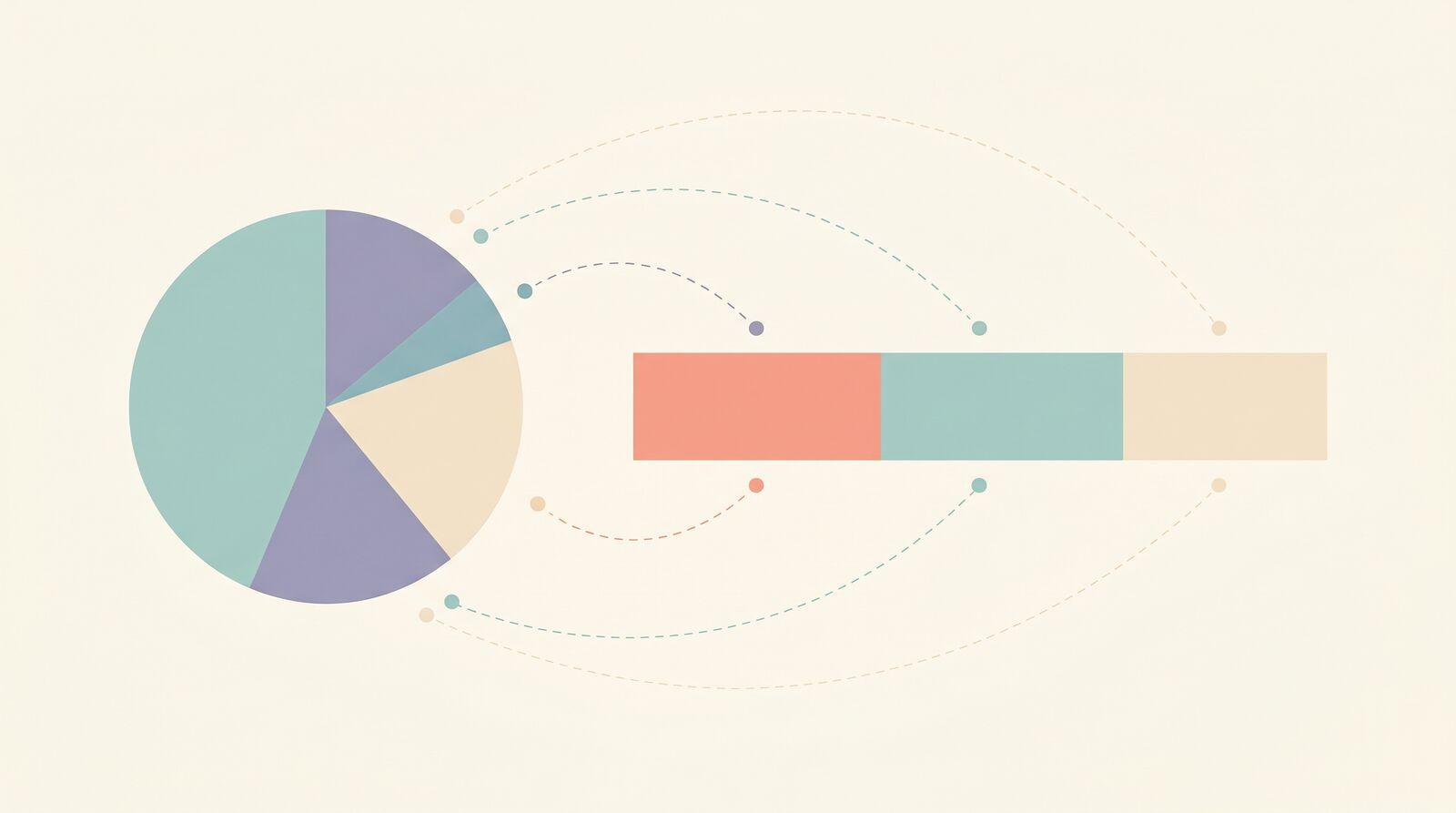
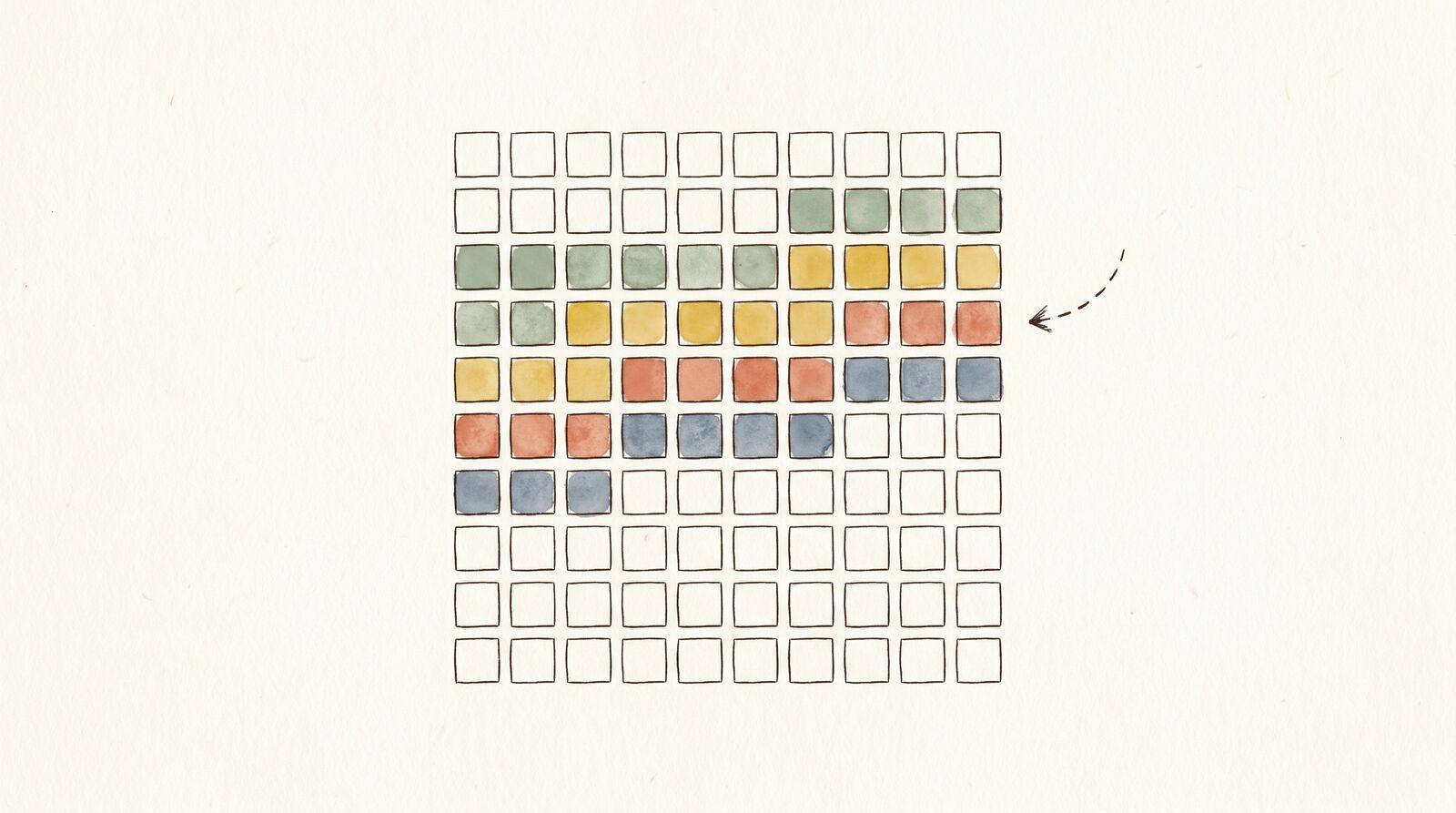
Понимаем отношения и пропорции интуитивно (масштабируем без страха)
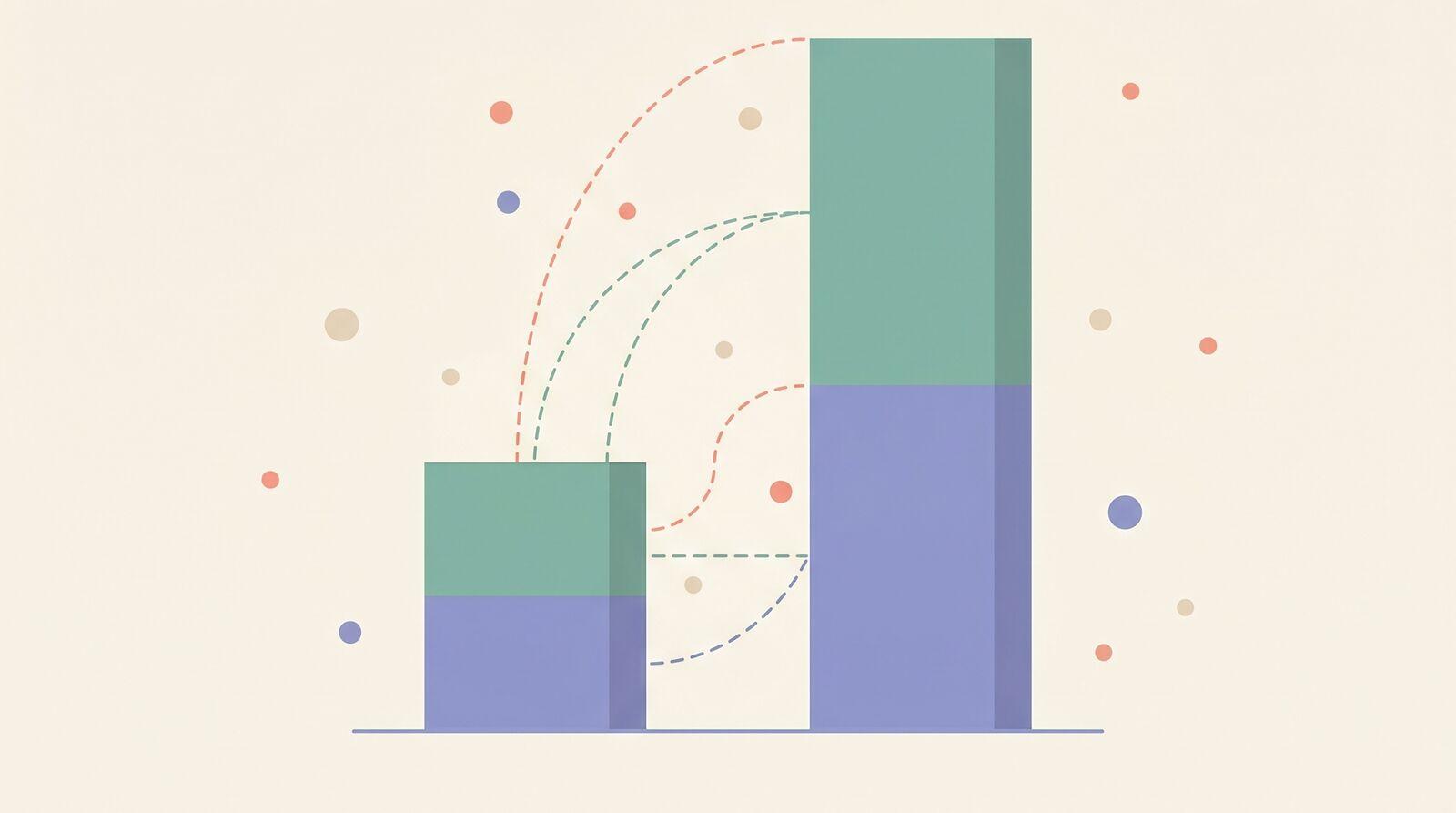
Повар, который без труда удвоит рецепт блинов в уме, замрёт, когда учебник попросит "решить пропорцию ". Удвоить рецепт и решить пропорцию, это одна и та же идея в разной одежде. Изменилось лишь то, что в бытовой версии никто не просил записывать всё с буквой x. Именно этот разрыв, между тем, что люди делают без усилий, и тем, что выглядит пугающе на бумаге, и теряет большинство учеников на отношениях и пропорциях.
Эта статья не список правил для зубрёжки. Это короткая прогулка по тому, что такое отношение на самом деле, почему пропорции ведут себя так, как ведут, и почему перекрёстное умножение не трюк, а следствие. Как только смысл щёлкнет, масштабирование рецепта, перевод единиц, чтение карты и решение учебной пропорции окажутся одним и тем же небольшим навыком.
Отношение, это сравнение, а не часть
Дробь рассказывает о части одного целого: 3/4 пиццы, половина бака бензина. Отношение немного другое. Оно сравнивает две величины, которые могут принадлежать одному целому, а могут и нет.
Когда рецепт требует 3 стакана муки и 2 стакана сахара, отношение муки к сахару равно 3 к 2, записывается как 3:2. Мука и сахар не куски одного пирога, это два отдельных количества, и отношение схватывает, как они связаны. В этом и есть суть: отношение, это высказывание об относительном размере. "На каждые 3 этого приходится 2 того".
Это напрямую связано с дробями, поэтому они так похожи. Отношение 3:2 можно записать как дробь 3/2, когда вы хотите с ним считать, и смыслы совпадут. Если вы понимаете, что такое дробь на самом деле, вы уже понимаете почти всё про отношение. Разница в основном в ракурсе: дробь смотрит внутрь, на часть целого, а отношение смотрит вбок, на две величины рядом.
Ключевой ход: отношение не меняется при масштабировании
Вот единственная идея, после которой всё остальное встаёт на место. Отношение не меняется, когда вы умножаете или делите обе его величины на одно и то же число.
Удвойте рецепт блинов, и отношение муки к сахару останется 3:2, хотя теперь у вас 6 стаканов муки и 4 сахара. 6:4 и 3:2, это одно и то же отношение, точно так же, как 6/4 и 3/2, это одна и та же дробь. Количества выросли, а связь сохранилась.
Это в точности идея равных дробей, применённая к сравнениям. Когда вы масштабируете обе стороны на один множитель, вы растягиваете или сжимаете всю картину, не искажая её. Фотография, увеличенная с 4 на 6 дюймов до 8 на 12, выглядит правильно, потому что обе стороны удвоились. Масштабируйте только одну, и изображение растянется, как в кривом зеркале. Отношения, это математика сохранения пропорций при изменении размера.
Пропорции, это просто два равных отношения
Пропорция, это предложение, которое утверждает, что два отношения равны. читается так: "3 по сравнению с 4, это та же связь, что и x по сравнению с 12". Решить её, значит найти x, при котором второе сравнение совпадёт с первым.
Часто ответ виден без всякой алгебры. Чтобы из 4 получить 12, нужно умножить на 3. Чтобы отношение осталось прежним, верхнее число тоже нужно умножить на 3: 3 умножить на 3, это 9, значит . Это всё решение, и это просто правило масштабирования в действии. Вы нашли множитель, который вырастил нижнее число, и применили тот же множитель к верхнему.
Перекрёстное умножение, это тот же ход, записанный более механически. Из получаем 3 умножить на 12 = 4 умножить на x, значит , значит . Тот же ответ. Причина, по которой перекрёстное умножение работает, не загадочна: пропорция, это уравнение, и умножение обеих частей на оба знаменателя сразу убирает дроби. Это правило равновесия, та же логика "делай одно и то же с обеими частями", что проходит через всю алгебру. Когда множитель масштабирования, некрасивое число, перекрёстное умножение, надёжный запасной вариант. Когда множитель ровный, масштабировать в уме быстрее.
Единичные скорости: самое полезное отношение из всех
Самый практичный вид отношения, тот, где вторая величина сведена к 1. Километры в час, цена за грамм, слов в минуту: каждое, это отношение, переписанное так, чтобы вы знали значение одной единицы.
Единичные скорости сильны по двум причинам. Во-первых, как только вы знаете значение одной единицы, масштабирование на любое количество, это одно умножение. Если машина едет 60 километров в час, то 3 часа, это просто 60 умножить на 3. Во-вторых, единичные скорости позволяют честно сравнивать варианты. Бутылку 0,33 литра за 30 рублей и бутылку 0,5 литра за 45 трудно сравнить напрямую, но как цену за литр, около 91 рубля против 90 рублей, выгодный вариант очевиден. Превратить запутанное сравнение в число за единицу, одна из самых ценных математических привычек в повседневной жизни.
Вычисление единичной скорости часто означает деление, и тут появляются десятичные дроби. Математика с бутылками выше упирается в значения вроде 91 и 90, и уверенное чтение таких десятичных дробей делает сравнение мгновенным, а не пугающим.
Отношения, дроби, десятичные дроби и проценты, это одна семья
Стоит увидеть, насколько тесно связаны эти темы, потому что ученики, которые считают их четырьмя отдельными предметами, носят с собой четыре хрупких навыка вместо одного крепкого.
Возьмём отношение 1:4, одна часть сока к четырём частям воды. Сок, это 1 из 5 всех частей, то есть дробь 1/5. Выполните это деление и получите десятичную дробь 0,2. Сравните части, и можно сказать, что сока 25 процентов от воды или 20 процентов от всей смеси. Каждое из этих высказываний описывает один и тот же кувшин. Это разные записи, выбранные для удобства, а не разные числа.
Именно поэтому проценты, это на самом деле просто отношения, у которых второе число зафиксировано на 100. "65 процентов" означает отношение 65:100. Как только вы видите отношения как родительскую идею, проценты перестают быть отдельной формулой для зубрёжки и становятся частным случаем, который вы уже понимаете.
Где люди застревают
Несколько конкретных путаниц вызывают большинство проблем с отношениями, и назвать их полезно.
Первая, перепутать порядок. Отношение кошек к собакам не то же самое, что собак к кошкам. 3:2 и 2:3 описывают разные ситуации, поэтому всегда фиксируйте, какая величина идёт первой, и держите этот порядок одинаковым во всей пропорции.
Вторая, масштабировать только одну сторону. Когда вы увеличиваете рецепт, каждый ингредиент умножается на один и тот же множитель. Добавить муки, но забыть про сахар, это ошибка кривого зеркала, и это самая частая причина, по которой масштабированные рецепты или чертежи выходят неправильными.
Третья, хвататься за перекрёстное умножение раньше, чем поискать очевидный множитель. Многие пропорции решаются на глаз за пару секунд. Перекрёстное умножение работает всегда, но если начинать с него на лёгких задачах, вы приучаете себя пропускать понимание и опираться на процедуру.
Тренируемся, пока не станет автоматическим
Прочитав это один раз, вы получаете общую картину. Сделать отношения автоматическими, отдельная задача, и она вознаграждает короткую осознанную практику, а не долгую зубрёжку.
Тренируйте бытовые версии. Масштабируйте рецепт, считайте цену за единицу в магазине, прикидывайте, сколько займёт поездка при заданной скорости. Реальные сравнения закрепляют смысл быстрее, чем абстрактные упражнения.
Смешивайте типы задач. Не решайте двадцать рецептурных задач подряд. Чередуйте единичные скорости, масштабирование и пропорции с поиском x, чтобы мозгу приходилось распознавать, с каким видом задачи он имеет дело. Как мы рассказываем в посте про интервальное повторение, именно такое смешивание строит память, которая держится долго.
Проверяйте по размеру. Если вы увеличили рецепт, а количество ингредиента уменьшилось, что-то не так. Интуитивная проверка "выросло ли это в нужную сторону" ловит больше ошибок, чем повторный пересчёт арифметики.
При чём здесь Math Zen
Прогрессия корзин в Math Zen ложится ровно на то, как отношения и хотят быть изученными. Ранние корзины строят базовый смысл, что отношение, это сравнение, которое переживает масштабирование. Средние корзины отрабатывают единичные скорости и простые пропорции на небольших дружелюбных числах, смешивая типы, чтобы вы опознавали задачу, а не слепо применяли одно правило. Поздние корзины приносят более запутанные пропорции, задачи на проценты и текстовые задачи, которые проверяют, действительно ли смысл закрепился.
Поскольку практика короткая и распределённая, вы вырабатываете распознавание паттернов, превращающее отношения из темы, которую вы переживаете, в инструмент, к которому тянетесь, без цикла зубрёжки, который убеждает столь многих, что они "не математики".
Итог
Отношение, это сравнение двух величин, и его определяющая черта в том, что оно не меняется, когда вы масштабируете обе стороны на одно и то же число. Пропорция, это просто два равных отношения, и решить её, значит найти недостающую часть, сохраняющую связь нетронутой. Перекрёстное умножение не трюк, это правило равновесия из алгебры. Единичные скорости, это отношения, сведённые к "на одну единицу", и они делают масштабирование и сравнение лёгкими. А отношения, дроби, десятичные дроби и проценты, это одна семья в четырёх нарядах.
Если задача с отношением когда-нибудь поставит вас в тупик, не хватайтесь сначала за перекрёстное умножение. Спросите, что с чем сравнивается, найдите множитель, масштабирующий одну сторону, и примените его к другой. Ответ обычно появляется раньше, чем вы допишете вопрос.
Частые вопросы
- Чем отношение отличается от дроби?
- Дробь называет часть одного целого, например 3/4 пиццы. Отношение сравнивает две отдельные величины, например 3 стакана муки и 2 стакана сахара, записывается как 3:2. Арифметика у них одинаковая, но отношение может сравнивать вещи, которые не являются частями одного целого.
- Почему перекрёстное умножение работает при решении пропорций?
- Пропорция утверждает, что два отношения равны, а значит, описывают одно и то же масштабирование. Перекрёстное умножение просто избавляет от обоих знаменателей сразу, умножая обе части на оба нижних числа. Это не фокус, это правило равновесия из алгебры, применённое к двум уже равным дробям.
- Что такое единичная скорость и чем она полезна?
- Единичная скорость, это отношение, переписанное так, что вторая величина равна ровно 1, например километры в час или цена за грамм. Она полезна тем, что, зная стоимость одной единицы, вы масштабируете на любое количество простым умножением и можете сравнивать варианты на равных.
- Как увеличить или уменьшить рецепт?
- Найдите коэффициент масштабирования, разделив нужное количество на то, что даёт рецепт, и умножьте каждый ингредиент на этот один коэффициент. Удвоение, это коэффициент 2, деление пополам, это коэффициент 0,5. Один и тот же коэффициент для всех ингредиентов сохраняет пропорции, а с ними и вкус.
- Связаны ли между собой отношения, дроби, десятичные дроби и проценты?
- Да, все они выражают связь между величинами. Отношение 1:4, это дробь 1/5 от целого, десятичная дробь 0,25 от другой части и 25 процентов по сравнению с этой частью. Выбор записи, это вопрос удобства, а не изменение самого числа.