분수를 직관적으로 이해하기 (피자 조각 없이)
분수는 아직 끝까지 계산하지 않은 나눗셈입니다. 3/4 라는 표기는 3을 4로 나눈 결과 그 자체이고, 분수의 가로줄은 나눗셈 기호를 짧게 쓴 것일 뿐입니다. 이 관점을 받아들이는 순간 분수에 관한 모든 규칙이 따로 외워야 할 절차가 아니라 한 가지 생각의 결과로 정리됩니다. 이 글에서는 그것이 분수의 덧셈, 곱셈, 나눗셈에 어떻게 적용되는지를 살펴봅니다.
대부분의 사람들이 처음으로 "나는 수학을 못해"라고 결심하는 순간은 바로 분수에서 시작됩니다. 예산을 짜고, 요리법을 읽고, 식사 비용을 나누어 낼 수 있는 어른들조차 누군가 화이트보드에 7/8이라고 쓰면 얼굴을 찡그립니다. 이상한 점은, 똑같은 어른들이 분수를 의식하지도 못한 채 끊임없이 사용한다는 것입니다. 기름이 절반 남은 탱크, 3시 15분, 팀의 3분의 1. 분수가 문제가 아닙니다. 분수를 가르치는 방식이 문제입니다.
이 글은 규칙 연습장이 아닙니다. 분수가 실제로 무엇인지, 각 연산이 왜 그런 모양인지, 그리고 이 주제가 소수, 백분율, 비율과 어떻게 연결되는지를 짧게 둘러보는 글입니다. 의미가 한 번 클릭되면, 규칙은 수수께끼가 아니라 그저 알림이 됩니다.
분수가 실제보다 더 어렵게 느껴지는 이유
분수를 소개하는 전통적인 방법은 원을 여러 조각으로 자르는 것입니다. 8조각 중 3조각이 3/8이라는 식이죠. 초등학교 5학년에게는 그것도 괜찮습니다. 문제는 곱셈이나 나눗셈을 하려는 순간 그 그림이 곧바로 작동을 멈춘다는 데 있습니다.
2/3에 4/5를 곱한다는 것은 무슨 뜻일까요? 피자 두 판을 곱할 수는 없습니다. 1/2을 3/4으로 나눈다는 것은 또 무슨 뜻일까요? 한 조각을 다른 조각으로 나눌 수도 없습니다. 그래서 학생들은 그림이 통하지 않을 때 늘 하던 일을 합니다. 절차를 외우는 것이죠. "유지하고, 바꾸고, 뒤집어라." "위끼리 곱하고, 아래끼리 곱해라." 절차는 작동합니다. 하지만 어떤 의미와도 연결되지 않은 채 떠다니고, 여름방학을 견뎌내는 것은 결국 의미입니다.
해결책은 그림을 업그레이드하는 것입니다. 분수는 피자 한 조각이 아닙니다. 분수는 특정한 방식으로 적힌 작은 산수입니다.
단 하나의 아이디어: 분수는 아직 수행되지 않은 나눗셈이다
이 주제 전체를 풀어내는 한 문장은 이것입니다. 분수는 아직 수행되지 않은 나눗셈입니다.
3/4은 3을 4로 나눌 때 얻는 값입니다. 분수의 가로줄은 그저 짧게 쓴 나눗셈 기호입니다. 어떤 나눗셈은 깔끔하게 떨어지고(8/4은 2, 놀랄 일이 없죠), 어떤 나눗셈은 그렇지 않습니다(3/4은 0.75, 이것도 놀랄 일이 아닙니다). 결과를 소수로 쓰면 보기 흉할 때, 수학자들은 종종 나눗셈을 분수 형태 그대로 둡니다. 이 표기법이 존재하는 이유는 그게 전부입니다.
이를 받아들이고 나면, 헷갈렸던 여러 가지 일이 자명해집니다.
- 5/1은 그냥 5입니다. 어떤 수든 1로 나누면 그대로이기 때문입니다.
- 0/7은 0입니다. 0을 무엇으로 나누든(자기 자신만 빼면) 0이기 때문입니다.
- 7/0은 정의되지 않습니다. 0으로 나누는 것은 할 수 있는 연산이 아니기 때문입니다.
- 3/3은 1입니다. 어떤 수든 자기 자신으로 나누면 1이기 때문입니다.
이것들은 선생님이 자의적으로 만든 규칙이 아니었습니다. 분수의 가로줄이 "나누어라"를 의미한다는 사실에서 곧바로 따라 나오는 결과들입니다.
두 번째 결과: 동치 분수는 마법이 아닙니다. 1/2과 2/4과 50/100은 모두 같은 나눗셈을 묘사합니다. 분자와 분모에 같은 수를 곱하는 것은 1을 곱하는 것과 같고, 1을 곱하는 일은 언제든 해도 되는 일이죠. 2/4이 1/2으로 약분되는 이유도 마찬가지입니다. 분자와 분모를 똑같이 2로 나누는 것은 결국 1로 나누는 셈이니까요.
분수의 덧셈: 단위부터 맞추기
대부분의 학습자는 분수를 더할 때 "왜"를 이해하지 못한 채 규칙(공통분모를 찾아라)에 손을 뻗다가 걸려 넘어집니다. 그 "왜"는 이렇습니다.
서로 다른 단위로 측정된 것은 그냥 더할 수 없습니다. 3인치와 2센티미터를 더해서 5가 되는 무언가는 없습니다. 더하기 전에 센티미터를 인치로 바꾸거나, 두 수치를 모두 밀리미터로 바꿔야 합니다. 분수도 똑같이 작동합니다. 분모가 단위입니다. 1/3은 "전체를 셋으로 나눈 조각 하나"라는 뜻입니다. 1/4은 "전체를 넷으로 나눈 조각 하나"라는 뜻입니다. 인치와 센티미터처럼 서로 다른 단위인 셈이죠.
1/3 더하기 1/4을 계산하려면, 먼저 둘을 공통의 단위로 변환합니다. 12분의 단위가 잘 맞습니다. 1/3은 4/12이고, 1/4은 3/12입니다. 이제 둘이 같은 언어를 쓰니, 분자를 그대로 더할 수 있습니다. 4/12 더하기 3/12은 7/12. 끝입니다.
"공통분모를 찾아라"라는 규칙은 수학 잡학이 아닙니다. 단위가 전체의 조각일 때 단위 변환이 어떻게 보이는지를 그대로 보여주는 것입니다.
유용한 부수 효과: 한 번 이유를 이해하고 나면, 험상궂은 분모에도 더 이상 주눅 들지 않게 됩니다. 5/6 더하기 7/8도 같은 연습입니다. 둘 다 24분의 단위로 변환하면(5/6은 을 얻습니다. 같은 아이디어, 더 큰 숫자.
분수의 곱셈: 결합이 아니라 축척 조정
분수의 곱셈은 사람들을 가장 헷갈리게 만드는 연산입니다. 곱하는 것처럼 느껴지지 않기 때문이죠. 1/2 곱하기 1/2은 1/4인데, 이는 두 인수보다 더 작은 값입니다. 곱셈이 어떻게 수를 더 작게 만들 수 있을까요?
답은 이렇습니다. 1보다 작은 수로 "곱한다"는 것은 사실 축척을 줄이는 일입니다. 어떤 양의 1/2을 취하면 그 절반을 얻습니다. 1/2의 1/2을 취하면 1/4을 얻는데, 절반의 절반은 4분의 1이기 때문입니다. 분수에 의한 곱셈은 "그리고"가 아니라 "의"입니다.
곱하기 기호를 "의"로 읽기 시작하면, 모든 곱셈 문제가 평이한 한국어로 바뀝니다.
- 입니다.
- 입니다.
"위끼리 곱하고 아래끼리 곱해라" 규칙은 여전히 작동합니다. 다만 이제는 의미를 대체하는 것이 아니라 의미의 지름길로 자리 잡습니다. 학생이 시험 도중 규칙을 잊더라도, 문제가 실제로 무엇을 묻는지를 따져보면 몇 초 만에 다시 만들어낼 수 있습니다.
이는 암산에 도움이 되는 것과 같은 사고의 전환입니다. 연산이 자의적인 기호이기를 멈추고 구체적인 무언가에 대한 묘사가 되기 시작하면, 계산은 빨라지고 실수는 드물어집니다.
분수의 나눗셈: 몇 개나 들어가는가?
학생들이 연필을 집어던지게 만드는 연산이 바로 나눗셈입니다. 왜 두 번째 분수를 뒤집어서 곱하라는 걸까요? 마치 손재주 같은 속임수처럼 보입니다.
여기 그 의미가 있습니다. 나눗셈은 "이것이 저것 안에 몇 개나 들어가는가?"라는 질문입니다. 12 나누기 3은 4입니다. 3이 12 안에 네 개 들어가니까요. 같은 질문이 분수에도 통합니다. 1 나누기 1/2은 "1 안에 1/2이 몇 개 들어가는가?"를 묻습니다. 답은 2입니다. 그래서 1 나누기 1/2은 2가 됩니다. 결과로 더 큰 수가 나왔다는 점을 눈여겨보세요. 1/2은 작은 수라서 1 안에 많이 들어갈 수 있기 때문입니다.
이제 더 어려운 예에 적용해 봅시다. 은 "3/4 안에 1/8이 몇 개 들어가는가?"를 묻습니다. 3/4은 8분의 6과 같으니, 답은 6입니다. 평이한 말로 풀었고, 규칙은 필요하지 않았습니다.
"뒤집어서 곱하기" 지름길은 이 질문을 기계화한 방법일 뿐입니다. 1/8을 곱한다는 것은 8배 축소한다는 뜻입니다. 1/8로 나눈다는 것은 8배 확대한다는 뜻입니다. 나눗셈은 곱셈을 되돌리는 일이기 때문이죠. 그래서 1/8로 나누는 것은 8/1, 즉 8을 곱하는 것과 같습니다. 뒤집기는 속임수가 아닙니다. 축척을 되돌리는 일이 그렇게 보일 뿐입니다.
분수 나눗셈 문제에서 막힌 학생을 가장 빠르게 풀어주는 방법은, 그것을 다시 "이것이 저것 안에 몇 개나 들어가는가?"로 번역해 주는 것입니다. 산수는 거의 항상 자연스럽게 따라 나옵니다.
분수, 소수, 백분율은 같은 것이다
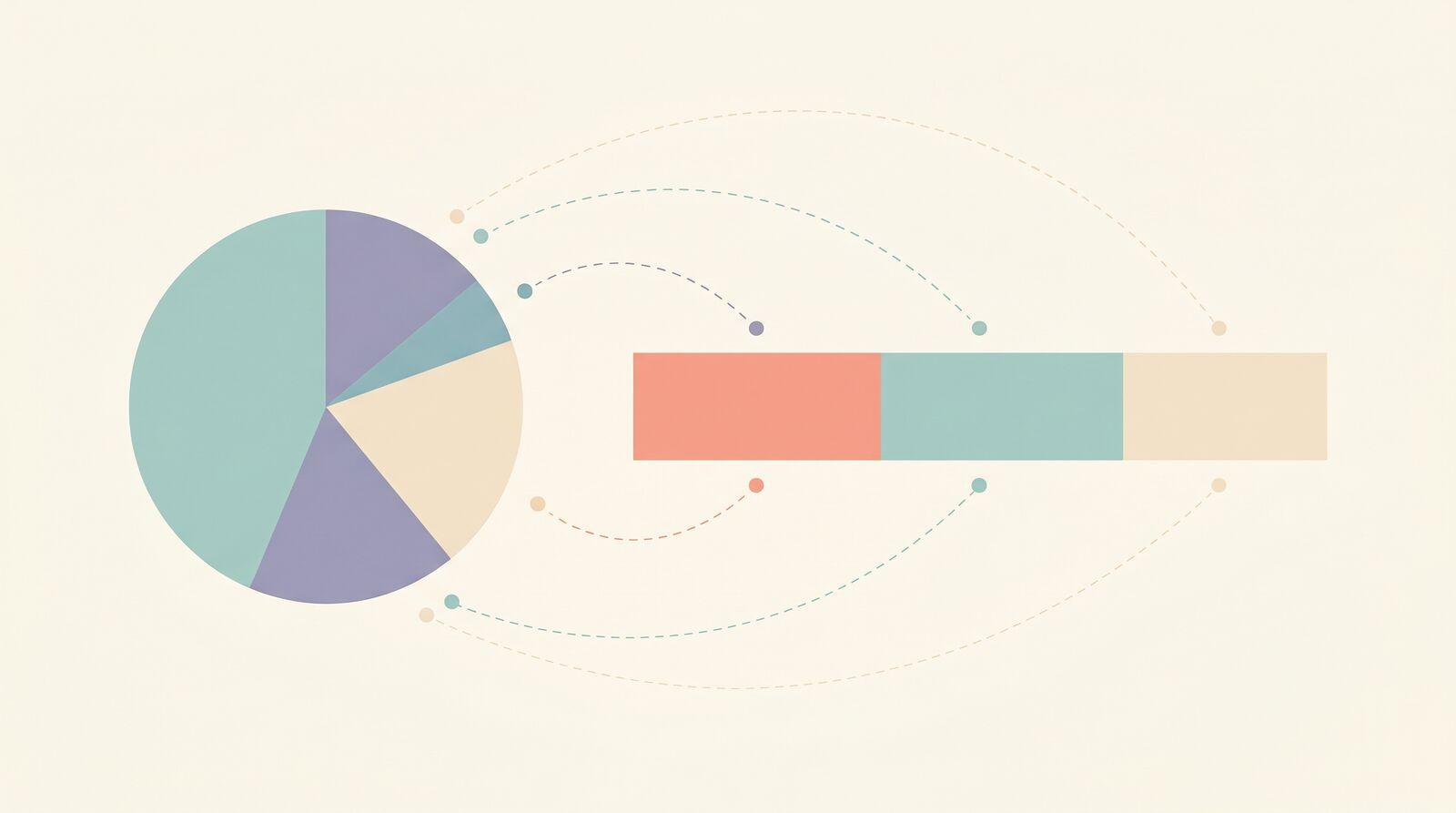
학교는 보통 분수, 소수, 백분율을 세 개의 별개 단원으로 가르칩니다. 마치 세 개의 다른 주제인 것처럼요. 그렇지 않습니다. 같은 아이디어를 적는 세 가지 표기법일 뿐입니다.
- 3/4은 분수입니다.
- 0.75은 같은 수를 소수로 적은 것입니다.
- 75%는 같은 수를 백분율로 적은 것입니다.
백분율은 분모가 슬그머니 100으로 고정된 분수입니다. "퍼센트"는 말 그대로 "100분의"라는 뜻입니다. 75%는 그저 75/100이고, 이는 약분하면 3/4이며, 실제로 나눗셈을 해 보면 0.75와 같습니다. 여기에 있는 수는 하나입니다. 표기법이 셋일 뿐이죠.
학생들이 헷갈리는 이유는, 각 표기법이 서로 다른 상황에서 편리하기 때문입니다. 분수는 정확하고, 종이와 연필로 하는 대수에 좋습니다. 소수는 계산기와 측정에 좋습니다. 백분율은 일상적인 비교(20% 팁, 5% 이자율)에 좋습니다. 유창한 학습자는 마치 이중언어 사용자가 언어를 오가듯이, 표기법을 의식 없이 넘나듭니다.
도움이 되는 짧은 습관이 있습니다. 분수를 볼 때마다 잠시 멈춰서 그것이 소수와 백분율로는 어떻게 되는지 물어보는 것입니다. 1/8? 0.125, 즉 12.5%입니다. 2/3? 0.666 반복, 즉 66.7%입니다. 이런 유창성을 쌓는 데는 하루에 몇 분, 두어 주만 투자하면 되고, 그 보상은 평생 갑니다. 당신이 앞으로 만나게 될 거의 모든 응용 수학 문제는 이 세 표기법 중 적어도 두 개를 사용하기 때문입니다.
5학년 이후 분수가 등장하는 곳
많은 학생은 분수가 결국 계산기로 대체될 초등학교 주제라고 생각합니다. 정반대입니다. 수학이 어려워질수록 분수는 더 중요해집니다.
대수학은 본질적으로 글자가 들어 있는 분수의 조작입니다. 을 푸는 일에는 2/5 더하기 1/3을 더하는 것과 같은 논리가 필요합니다. 글자가 새로울 뿐, 분수는 익숙한 것입니다.
확률은 처음부터 끝까지 분수입니다. 공정한 6면 주사위에서 4가 나올 확률은 1/6입니다. 두 독립 사건이 모두 일어날 확률은 각 확률의 곱이며, 이는 분수의 곱셈입니다. 한 사건이 일어났을 때 다른 사건이 일어날 확률(조건부 확률)은 분수의 나눗셈입니다. 연산의 의미를 단단히 이해하지 못하면 어느 것도 작동하지 않습니다.
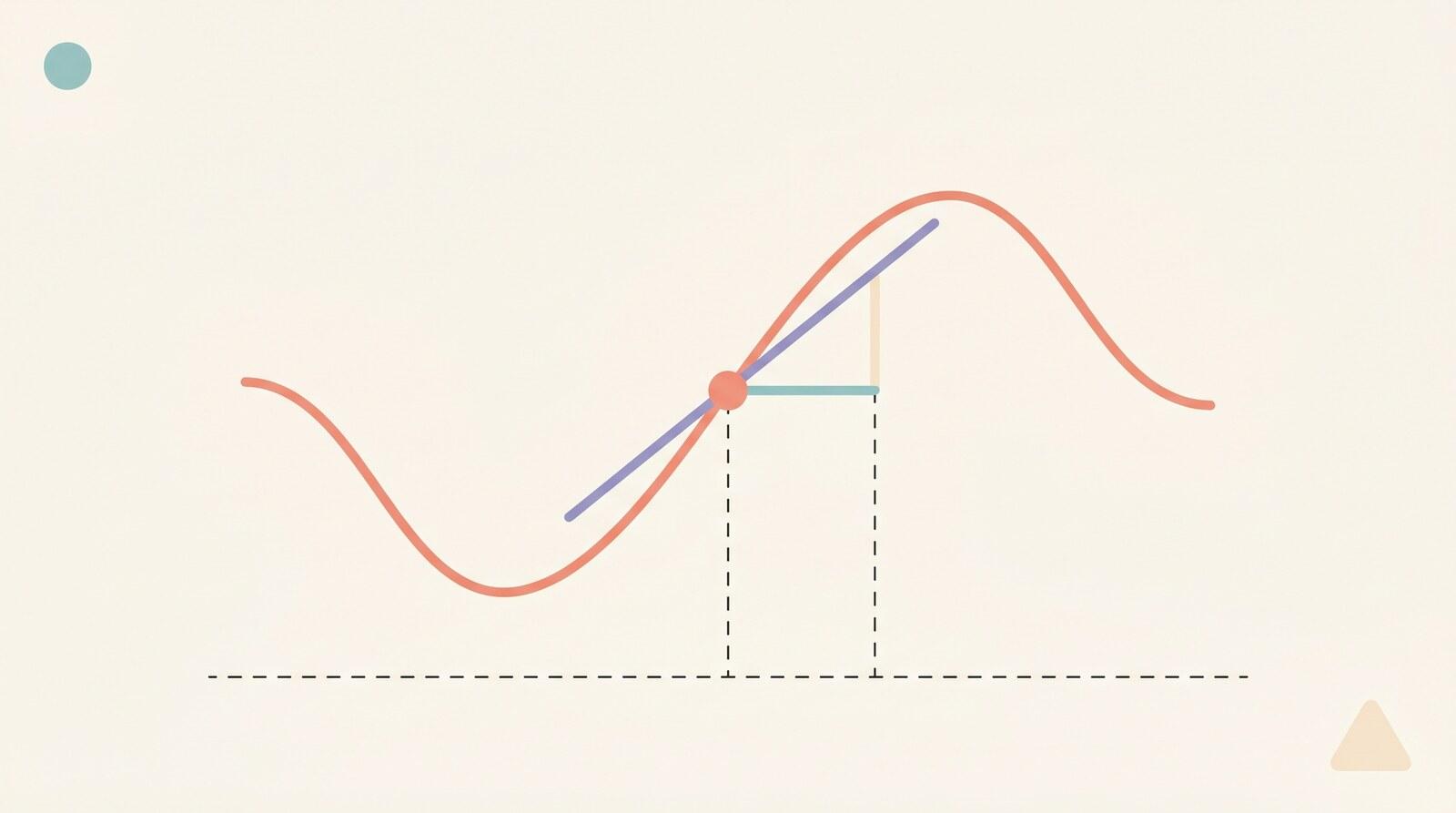
미적분학은 끊임없이 분수를 사용합니다. 곡선의 기울기는 분수입니다(수직 변화량을 수평 변화량으로 나눈 값). 연쇄 법칙은 분수를 결합합니다. 처음부터 시작하는 미분에 관한 글에서 설명했듯이, 이 주제 전체는 (f(a + h) 빼기 f(a))를 h로 나눈 분수에서 시작하며, 그 이후의 모든 유도는 극한 아래에서의 분수 조작입니다.
통계, 금융, 물리, 화학, 공학, 머신러닝. 모두 분수가 가득합니다. 중학교에서 7분의 무엇과 12분의 무엇과 화해하지 못한 학생은 대학에서 확률밀도나 화학량론적 비율 앞에서 고전합니다. 처음부터 분수를 직관적으로 만드는 데 시간을 투자하는 것은, 학습자가 할 수 있는 가장 지렛대가 큰 일 중 하나입니다.
분수가 자주 잘못 가르쳐지는 이유
분수가 이렇게 근본적이라면, 왜 그토록 많은 학생이 여전히 분수를 두려워한 채 중학교를 졸업할까요? 솔직한 이유가 몇 가지 있습니다.
첫째, 도입은 단 하나의 그림(나뉜 피자나 파이)에 의존하는데, 이 그림은 연산이 추상적이 되는 순간 무너집니다. 시각적 비유는 진입점이지 토대가 아니며, 많은 교육과정은 이를 확장 가능한 "분수는 나눗셈" 틀로 결코 대체하지 않습니다.
둘째, 규칙은 한 가지 아이디어의 결과가 아니라 별개의 기법으로 가르쳐집니다. "더할 때는 공통분모", "곱할 때는 위아래끼리 곱하기", "나눌 때는 뒤집어서 곱하기"를 외우는 학생은 서로 무관해 보이는 절차 세 개를 기억해야 합니다. 의미를 이해한 학생은 단 하나의 아이디어(분수는 아직 수행되지 않은 나눗셈)를 가지고 있고, 이 아이디어가 필요할 때마다 규칙을 만들어냅니다.
셋째, 소수와 백분율의 연결은 같은 수의 다른 옷이라는 인식이 아니라 번역 연습으로 다뤄집니다. 통합된 시야를 한 번도 보지 못한 학생은 견고한 한 가지 기술 대신 부서지기 쉬운 세 가지 기술을 짊어지고 다닙니다.
좋은 소식은, 어른이 되어서든 더 늦은 학년에서든 이 빈틈을 메우는 일은 정말로 빠르다는 점입니다. 이 주제 전체는 몇 안 되는 아이디어 위에 놓여 있고, 그것들이 한 번 연결되면 규칙은 필연적으로 느껴집니다.
자동화될 때까지 연습하기
이 글을 한 번 읽으면 큰 그림은 얻을 수 있습니다. 연산을 자동화하는 것은 별개의 과제이고, 긴 벼락치기보다 짧고 의도적인 연습이 효과적입니다.
번역을 반복 훈련하세요. 하루에 분수 다섯 개를 골라, 각각을 소수와 백분율로 변환해 보세요. 3/8, 5/6, 7/12, 11/16, 2/9. 가장 자주 등장하는 것들(1/2, 1/3, 1/4, 1/5, 1/8 계열)은 자연스럽게 외워집니다. 나머지는 빠른 암산이 됩니다.
섞인 세트로 연습하세요. 분수 덧셈 문제 30개를 연달아 풀지 마세요. 덧셈 5개, 곱셈 5개, 나눗셈 5개, 그리고 소수 변환 5개를 푸세요. 혼합 연습은 간격 반복 글에서 다루듯이 장기 기억을 만들어 주는데, 그 이유는 어떤 연산을 묻는 문제인지를 매번 확인하도록 강제하기 때문입니다.
항상 답을 직관적으로 점검하세요. 1보다 작은 분수 두 개를 곱했는데 1보다 큰 수가 나왔다면, 어딘가에서 실수한 것입니다. 작은 분수를 더 작은 분수로 나누었는데 1보다 작은 수가 나왔다면, 마찬가지입니다. 직관적인 점검은 대수를 다시 돌려보는 것보다 더 많은 오류를 잡아냅니다.
Math Zen은 어떻게 들어맞는가
Math Zen의 버킷 진행 시스템은 분수가 실제로 학습되기를 원하는 방식과 깔끔하게 맞아떨어집니다. 초반 버킷은 분수의 가로줄과 동치 분수의 의미에 집중합니다. 중간 버킷은 작은 수로 네 가지 연산을 반복 훈련하면서 덧셈, 곱셈, 나눗셈을 섞어, 두뇌가 규칙을 무작정 적용하는 대신 어떤 연산인지 식별하도록 만듭니다. 후반 버킷은 분수, 소수, 백분율 사이의 변환과 함께 대분수, 그리고 의미가 정착했는지 시험하는 문장제 문제를 다룹니다.
연습이 섞여 있기 때문에, 분수를 견뎌내는 주제에서 손이 가는 도구로 바꾸어 주는 패턴 인식이 만들어집니다. 그리고 세션이 짧고 간격을 두기 때문에, 그토록 많은 학습자에게 "나는 수학 체질이 아니야"라고 선언하게 만드는 좌절의 고리를 피할 수 있습니다. 그렇게 느끼는 사람들 대부분은 분수를 못하는 게 아닙니다. 의미를 가린 방법으로 배웠을 뿐이고, 의미 있는 연습 몇 주면 보통 모든 것이 풀립니다.
핵심 정리
분수는 아직 수행하지 않은 나눗셈입니다. 분수의 가로줄은 나눗셈 기호입니다. 동치 분수는 같은 나눗셈을 다른 비율로 적은 것입니다. 분수의 덧셈은 공통의 단위로 변환하는 일입니다. 분수의 곱셈은 한 분수의 다른 분수의 "그만큼"을 취하는 일입니다. 분수의 나눗셈은 하나가 다른 하나 안에 몇 개나 들어가는지를 묻는 일입니다. 소수와 백분율은 같은 수가 다른 옷을 입은 것입니다.
이것이 이 주제의 전부입니다. 교과서에 있는 규칙들은 별개의 사실이 아닙니다. 그것들은 의미를 줄임말로 표현한 것일 뿐입니다. 분수 문제 앞에서 막혔다면, 먼저 규칙으로 손을 뻗지 마세요. 의미를 사용해 문제를 평이한 한국어로 번역해 보세요. 그러면 질문을 다 적기도 전에 답이 보일 때가 많습니다.
자주 묻는 질문
- 분수의 나눗셈에서 왜 두 번째 분수를 뒤집나요?
- 1/8 로 나눈다는 건 여기에 1/8 이 몇 개 들어가는가를 묻는 것이고, 이는 결국 그 수를 8 배 키우는 일과 같습니다. 그래서 1/8 로 나누는 건 8/1 을 곱하는 것과 같아집니다. 뒤집는 것은 요령이 아니라, 원래의 축소를 되돌리는 자연스러운 동작입니다.
- 분모가 다른 분수를 더하는 가장 빠른 방법은?
- 두 분수를 같은 분모로 바꾼 다음 분자만 더하면 됩니다. 공통 분모는 어떤 공배수든 가능하지만, 최소공배수를 쓰면 숫자가 가장 작아집니다. 1/3 + 1/4 의 경우 최소공배수는 12 이므로 4/12 + 3/12 = 7/12 입니다.
- 분수, 소수, 백분율은 같은 건가요?
- 같은 수를 세 가지 표기법으로 적은 것뿐입니다. 3/4, 0.75, 75% 는 모두 같은 값을 가리킵니다. 분수의 가로줄은 나눗셈 기호이고, 소수는 그 나눗셈을 실제로 한 결과이며, 백분율은 분모가 항상 100 으로 고정된 분수일 뿐입니다.
- 분수의 곱셈은 어떻게 하나요?
- 분자끼리 곱해 새 분자를 만들고, 분모끼리 곱해 새 분모를 만듭니다. 이 규칙이 통하는 이유는, 분수를 곱한다는 것이 다른 수의 그 비율만큼 가져온다는 뜻이고, 결국 그 비율만큼 크기가 줄어들기 때문입니다.
- 왜 0 으로 나누는 건 정의되지 않나요?
- 나눗셈은 이게 몇 개 들어가는가를 묻는 연산입니다. 0 으로 나눈다는 건 어떤 수 안에 0 이 몇 개 들어가는지를 묻는 셈인데, 0 은 아무리 더해도 0 이라서 답이 무수히 많아집니다. 답이 하나로 정해지지 않으므로 이 연산은 정의되지 않은 것으로 둡니다.