Как запоминать математические формулы (чтобы они действительно оставались в голове)
Вы проводите вечер, записывая формулу корней квадратного уравнения на карточку, перечитываете её снова и снова, пока не почувствуете, что она отпечаталась в мозгу, и ложитесь спать уверенным. Через три дня контрольная просит её, а память возвращает пустоту или, что хуже, правдоподобный вариант со знаком не на том месте. Это одно из самых частых разочарований в математике, и оно почти никогда не говорит о плохой памяти. Оно говорит о плохом методе запоминания.
Большинство людей пытаются учить формулы так же, как запоминали бы номер телефона: смотрят на символы и повторяют их. Это работает для семи цифр, которые нужны на десять секунд. Для математических формул это проваливается, потому что формула, это не произвольная цепочка. Это сжатая идея, и секрет её запоминания в том, чтобы хранить идею, а не знаки. В этой статье разберём, как память на самом деле работает с формулами, и дадим распорядок, который заставит их закрепиться.
Почему механическое повторение не работает с формулами
Смотреть на формулу, пока она не станет знакомой, ощущается как учёба, но в основном формирует узнавание. Узнавание, это чувство «да, это она», когда вы видите ответ. Воспроизведение, это способность выдать ответ, когда страница пуста. Экзамены проверяют воспроизведение, и эти два навыка почти независимы. Вы можете узнать тысячу лиц, которые никогда не нарисовали бы по памяти.
Есть и вторая проблема, характерная именно для математики. Формулы ходят стаями похожих друг на друга. Площадь круга, длина окружности, площадь поверхности сферы, объём шара: те, кто зубрит, запихивают все четыре как отдельные цепочки символов, а потом путают их под давлением, потому что в голой зубрёжке ничто не подсказывает, что есть что. Символы сливаются. Именно эта интерференция делает зубрёжку длинного списка формул накануне экзамена почти бесполезной; чем больше похожих формул вы наваливаете разом, тем сильнее они стирают друг друга.
Решение в том, чтобы дать каждой формуле смысл, за который можно ухватиться, чтобы она перестала быть цепочкой и стала историей.
Разберитесь в формуле, прежде чем пытаться её запомнить
Самый мощный ход, это разобраться, откуда берётся формула, прежде чем заучивать её окончательный вид. Формула, которую вы понимаете, это одна связная идея. Формула, которую вы не понимаете, это десяток несвязанных символов, а память куда лучше хранит одну вещь, чем двенадцать.
Возьмём формулу корней квадратного уравнения, классический кошмар запоминания. Выученная как голая цепочка, это ворох плюс-минусов, квадратных корней и знаменателя, в котором ученики постоянно ошибаются. Но формула корней, это просто то, что получается при выделении полного квадрата в общем уравнении. Пройдите этот вывод один раз, медленно, и у каждой части появится причина: минус b, b в квадрате минус 4ac под корнем (дискриминант, который решает, сколько существует решений), 2a в знаменателе. Теперь это не цепочка, которую надо оберегать от искажения. Это результат, который вы могли бы восстановить с нуля, если бы пришлось. Это тот же сдвиг, который мы описываем в статье про интуитивное понимание квадратных уравнений: как только смысл щёлкает, символы следуют за ним.
Та же логика покрывает большую часть программы. Формула расстояния, это теорема Пифагора с двумя катетами, записанными как разности координат; если вы знаете одно, вы почти знаете и другое. Формула суммы арифметической прогрессии, это просто средний член, умноженный на число членов. У производной произведения две симметричные половины появляются по причине, которую видно на одной небольшой картинке. Понимание не заменяет запоминание, но сокращает объём того, что нужно запомнить, до доли прежнего, и даёт запасной вариант, когда одна память подводит.
Тренируйте воспроизведение, а не перечитывание
Как только вы поняли формулу, способ, которым вы её отрабатываете, решает, останется ли она. Инстинкт, это перечитать её ещё несколько раз. Данные десятилетий исследований эффекта тестирования говорят, что перечитывание, это одно из самых слабых занятий. Сильный ход, это извлечение: закройте книгу и запишите формулу по памяти, затем проверьте.
Тот момент, когда вы тянетесь к полузабытой формуле, не уверенные, показатель ли степени 2 или 3, ощущается неуютно, и в этом дискомфорте весь смысл. Именно усилие при воспоминании говорит мозгу, что эта информация важна, и укрепляет путь к ней. Чтение формулы со страницы ничего не требует от вашей памяти и ничего не укрепляет. Это тот же принцип, что управляет эффективной учёбой в целом, о чём мы пишем в статье как эффективно учить математику: выдавайте ответы, а не просто просматривайте их.
Конкретное упражнение: держите рабочий список формул по теме, но только названия, не сами формулы. «Формула корней квадратного уравнения». «Теорема косинусов». «Производная синуса». Пройдите по списку, записывая каждую по памяти, затем загляните в справочник для проверки. Те, что вы написали верно, почти готовы. Те, что вы пропустили, точно скажут, куда потратить следующие несколько минут.
Разносите повторения по времени, а не сваливайте в кучу
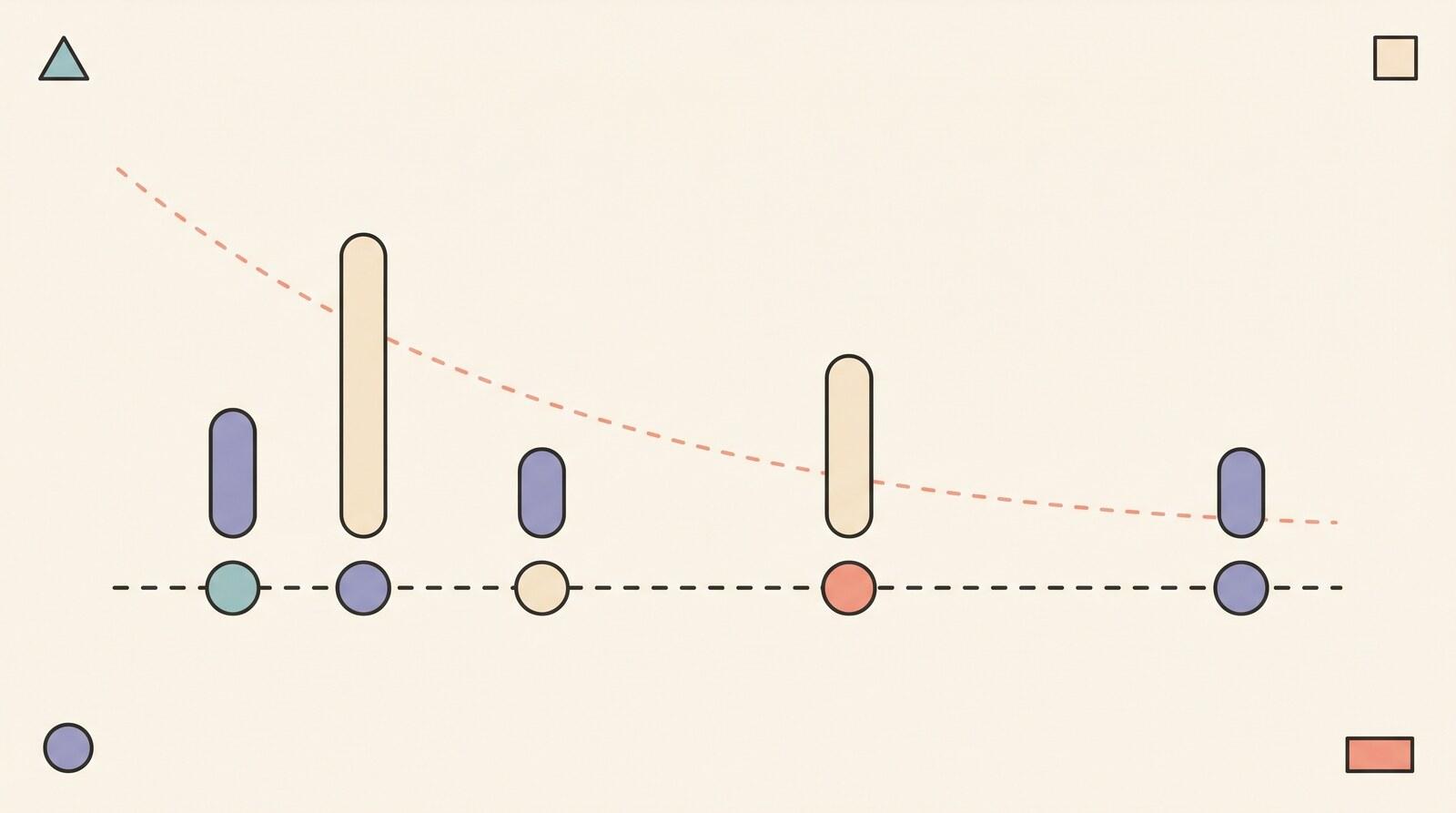
Допустим, сегодня вечером вы можете записать формулу верно десять раз подряд. Это ощущается как мастерство. Вернитесь через три дня, и её может всё равно не быть, потому что повторение, стиснутое в одно занятие, порождает память, которая быстро тает. Контринтуитивный вывод в том, что немного забывания между повторениями заставляет следующее повторение закрепиться прочнее.
Поэтому распределяйте попытки воспроизведения по дням. Выучите формулу сегодня, проверьте себя завтра, снова через два-три дня, затем ещё через неделю. Каждый раз, когда вы успешно вытаскиваете формулу после того, как начали её забывать, память становится прочнее, и следующий промежуток может быть длиннее. Это эффект интервала, и именно поэтому пять коротких занятий за неделю лучше одного долгого, даже когда общее время одинаково. Мы подробно разбираем механизм и то, как его планировать, в статье про интервальные повторения в математике.
Практическая версия не требует сложной системы. Формула, которую вы легко взяли, может подождать дольше до следующего повторения; та, на которой вы споткнулись, возвращается раньше. Одно это правило, повторять шаткие чаще, а прочные реже, и есть большая часть того, что делает хорошее расписание интервалов.
Используйте мнемоники и разбивку на части, но умеренно
У некоторых фактов действительно нет внутренней логики для опоры. Порядок, в котором тригонометрические отношения соответствуют сторонам, это соглашение, а не следствие, и именно поэтому SOH CAH TOA выживает уже поколениями. Порядок действий, это другой пример. Для небольшого набора таких вещей мнемоника или рифмовка, это законный инструмент, и в её использовании нет ничего постыдного.
Опасность в том, чтобы хвататься за мнемоники как за первый ход вместо последнего. Мнемоника хранит символы, скрывая смысл, поэтому она ломается в тот миг, когда задача сформулирована так, как рифмовка не предусмотрела. Ученики, которые учат всю тригонометрию как SOH CAH TOA и больше ничего, теряются, как только задача требует единичной окружности. Используйте мнемоники, чтобы закрепить горстку произвольных порядков и обозначений, которые сопротивляются пониманию, а всё остальное пусть несёт понимание.
Разбивка на части тоже помогает. Длинную формулу легче удержать, если разбить её на осмысленные куски, а не на один неделимый ком. Формула корней квадратного уравнения, это на самом деле три куска: минус b, плюс-минус корень из дискриминанта, всё это делённое на 2a. Запомнить три осмысленных куска гораздо легче, чем пятнадцать отдельных символов по порядку.
Применяйте формулы, а не просто храните их
Формула, которую вы можете продекламировать, но не можете применить, выучена лишь наполовину, а экзамены проверяют вторую половину. Распознавать, когда формула применима, это отдельный навык от того, чтобы помнить, что в ней написано, и он тренируется только решением разнообразных задач.
Именно здесь изолированная тренировка по карточкам не дотягивает. Карточки могут сделать воспроизведение автоматическим, что стоит делать, но они никогда не научат вас, что вот эта конкретная текстовая задача, это тайком задача на теорему косинусов. Для этого нужно встретить формулу во множестве обличий. Смешивание типов задач по ходу практики, вместо того чтобы делать двадцать одинаковых упражнений подряд, заставляет вас решать, какую формулу требует ситуация, а именно этого и требует контрольная. Оно также связывает каждую формулу с конкретными ситуациями, и эти связи, это дополнительные ручки, за которые память может ухватиться. Та же смешанная практика с низкими ставками, что строит беглость устного счёта, строит беглость с формулами по той же причине.
Как Math Zen помогает формулам закрепиться
Math Zen устроен так, чтобы эффективные методы происходили без того, чтобы вам приходилось их организовывать. Поскольку вы учитесь, решая задачи, а не читая решения, вы по умолчанию в режиме извлечения: каждый экран просит вас выдать ответ, а значит, выдать формулу, а не просто узнать её. Адаптивная система корзин распределяет и снова выводит каждую тему на поверхность автоматически, так что формулы, на которых вы шатки, возвращаются раньше, а прочные, позже, без всякого расписания с вашей стороны. И поскольку задачи приходят вперемешку, а не блоками, вы тренируетесь выбирать правильную формулу для ситуации, а не просто её декламировать. В итоге формулы запоминаются как побочный эффект практики, а именно там им и место.
Главный вывод
Формулы держатся не потому, что вы достаточно долго на них смотрели. Они держатся потому, что вы поняли, откуда они взялись, вытащили их из памяти, а не прочитали со страницы, повторяли их по дням, а не всё разом, приберегли мнемоники для тех немногих фактов, у которых нет логики, и применяли их на реальных задачах. Каждое из этого ощущается медленнее, чем перечитывание карточки, и каждое работает лучше.
В следующий раз, когда формула ускользнёт через три дня после того, как вы её «запомнили», не отвечайте на это, вглядываясь ещё пристальнее. Разберитесь в ней, закройте книгу и попробуйте записать её с нуля. Борьба за её воспроизведение, это не провал метода. Это метод в действии.
Частые вопросы
- Какой самый быстрый способ запомнить математическую формулу?
- Разберитесь, откуда берётся формула, а затем тренируйтесь вспоминать её по памяти, а не перечитывать. Формулу, которую вы можете восстановить из её обоснования, вы запомните в разы быстрее, чем зазубренную бессмысленную цепочку символов, потому что вы храните одну идею, а не десяток несвязанных знаков. Добавьте к этому несколько повторений с промежутками, и формула перейдёт в долговременную память навсегда.
- Учить формулы наизусть или разбираться, как их выводить?
- Делайте и то, и другое, именно в таком порядке: сначала вывод, потом запоминание. Вывод формулы один раз показывает, почему каждый символ на своём месте, что делает формулу гораздо легче удержать и позволяет восстановить её, если память подведёт на экзамене. Но выводить формулу заново каждый раз под давлением времени не стоит, поэтому, разобравшись, тренируйтесь вспоминать готовый вид, пока это не станет автоматическим.
- Почему я забываю формулы сразу после того, как выучил их?
- Потому что перечитывание формулы формирует узнавание, а не воспроизведение. Она кажется знакомой, когда вы на неё смотрите, и это обманывает вас, будто вы её знаете, но знакомость рушится в тот миг, когда страница пуста. Решение, это закрыть книгу и записать формулу по памяти. Именно это усилие при извлечении, плюс повторение через день-два, действительно переносит формулу из кратковременной памяти в долговременную.
- Работают ли мнемоники для математических формул?
- Они работают для небольшого числа упрямых фактов, у которых нет никакой логики для опоры, например SOH CAH TOA в тригонометрии или порядок действий. Для большинства формул мнемоника, это костыль, который хранит символы без смысла, поэтому она подводит, как только задача выглядит чуть иначе. Прибегайте к мнемоникам только после того, как понимание и воспроизведение не сработали на конкретной формуле.
- Сколько формул можно запомнить за день?
- Меньше, чем вам кажется, если вы хотите, чтобы они остались. Попытка зазубрить двадцать формул за один присест порождает интерференцию, когда похожие формулы сливаются и ни одна не удерживается. Освоить три-пять как следует, разобрав каждую и вспомнив её несколько раз, а затем повторив в последующие дни, лучше, чем зубрить двадцать, которые исчезнут к выходным.